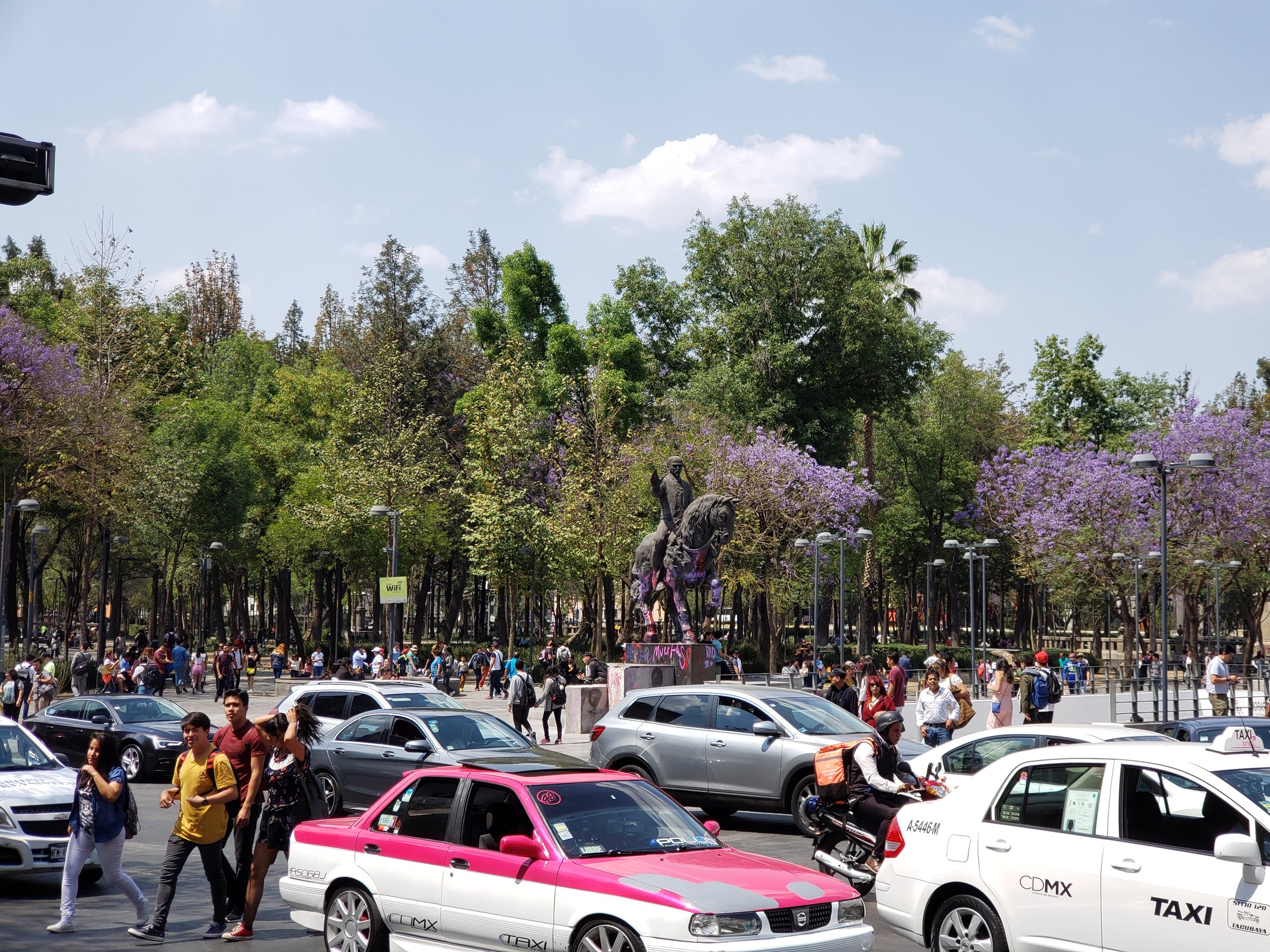
How To Get Around in Mexico City
The Metro
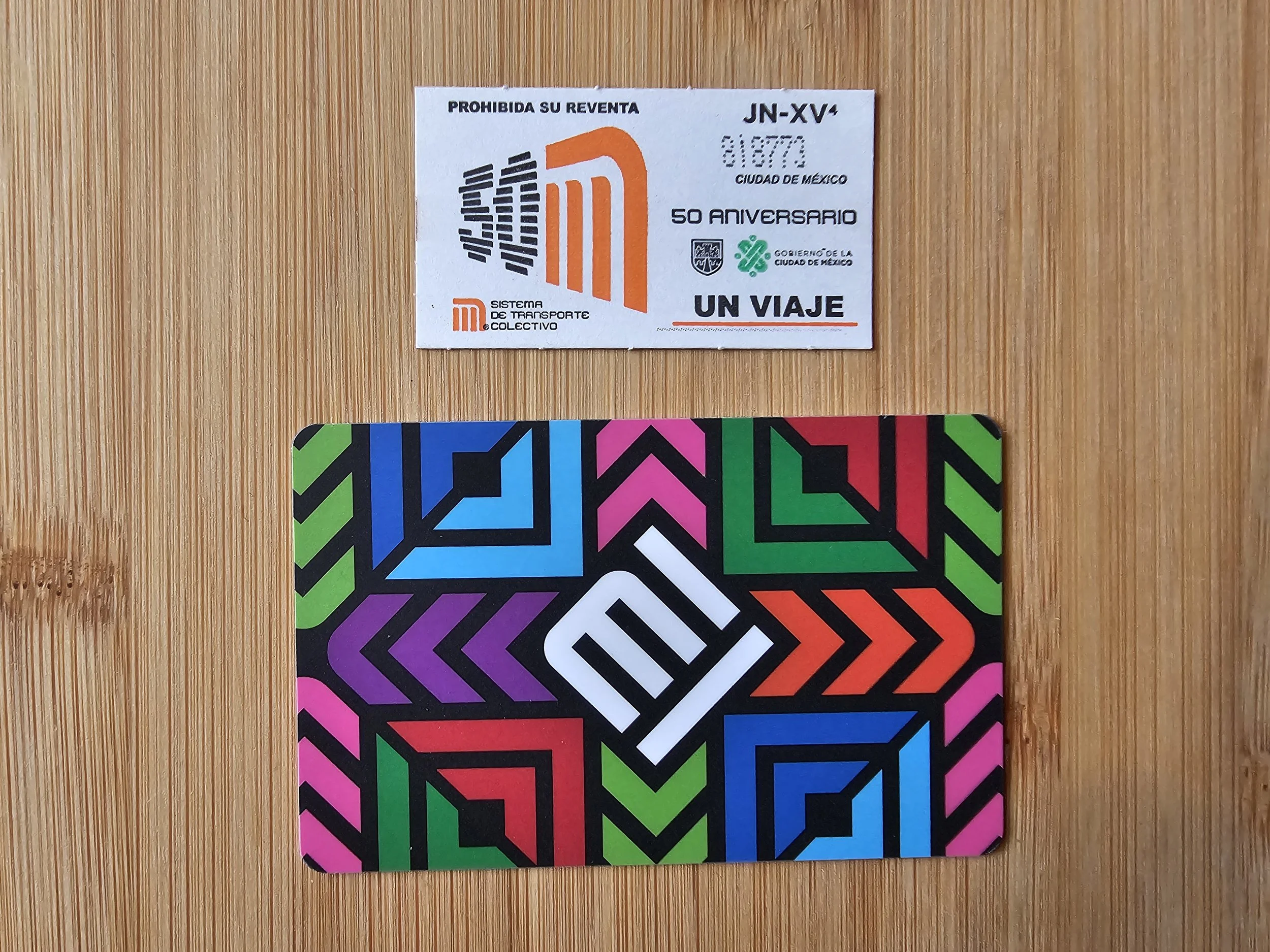
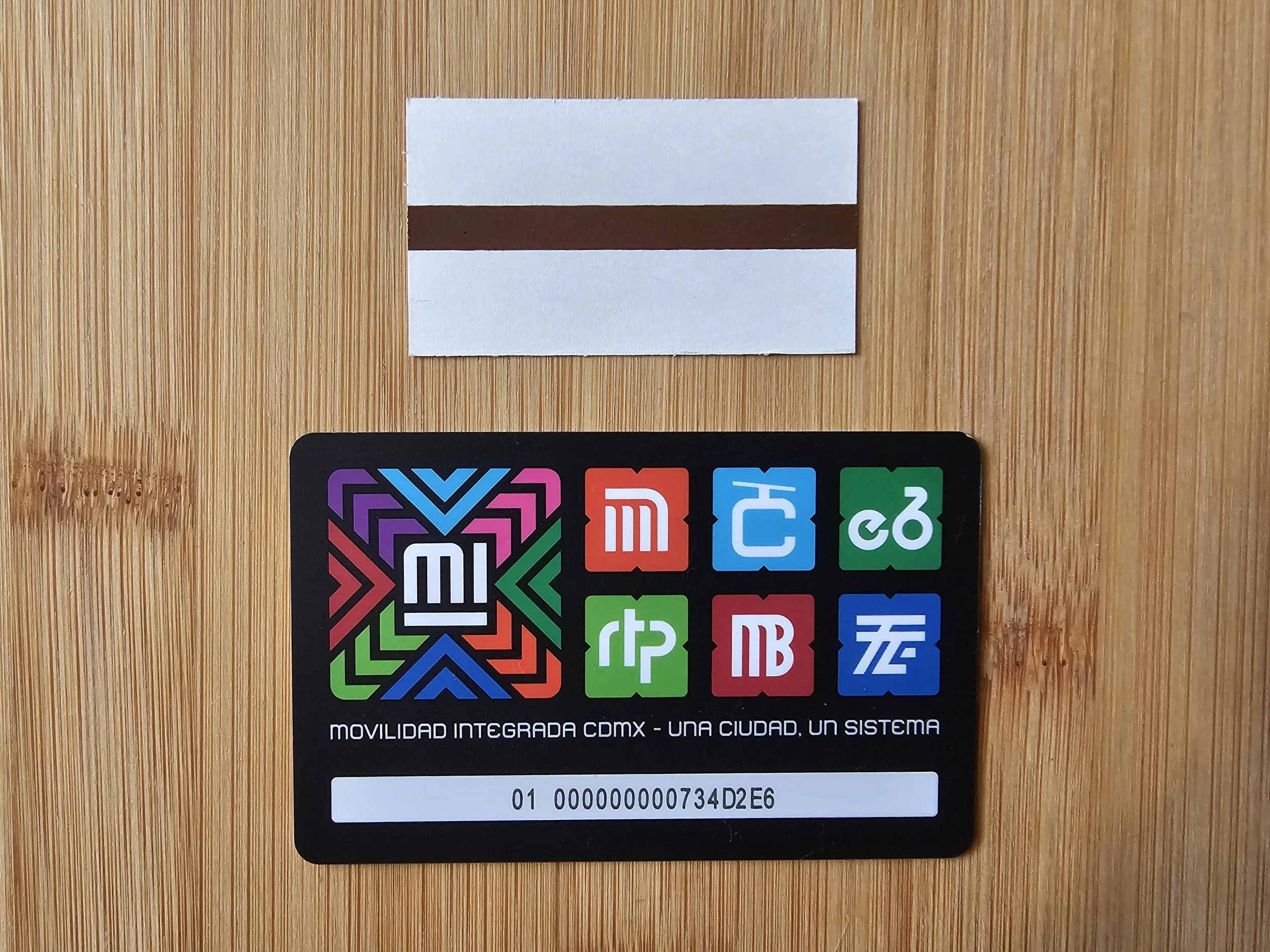
Your main method, besides walking, is probably going to be the metro. The metro system moves millions of people every day. And it is especially a great idea during peak travel hours, to avoid the 5 million cars on the road. Each trip is 5 pesos each. The tickets can be bought at most stations, and it’s best to just get 10 or 20 at a time with exact change for a quick transaction. They are small pieces of cardboard with a magnetic strip. These paper tickets are slowly being phased out for rechargeable plastic cards, with some stations only accepting the new cards. These stations will have a transit officer to manually accept your paper tickets to let you through. The new cards are also used on bus trips, which is especially useful when metro lines are shut down.
All the metro stations have a symbol associated with them, and it’s a good idea to save a metro map on your phone in case you’re wedged into someone’s armpit and can’t see where you are. It can get quite busy during peak hour and be prepared to get squished. I once believed that someone was trying to pick my pocket, as I felt a hand around my waist, but I realised that the person next to me was grabbing a hold on my belt, as others were in the crowded carriage, as anchored bars were out of reach.
There is also now a ladies/family section of the metro, so if you are concerned about safety, those are usually less busy.
Often hawkers will jump on and call out to passengers regarding their products for sale. Anything from chicklets to headphones.

Buses
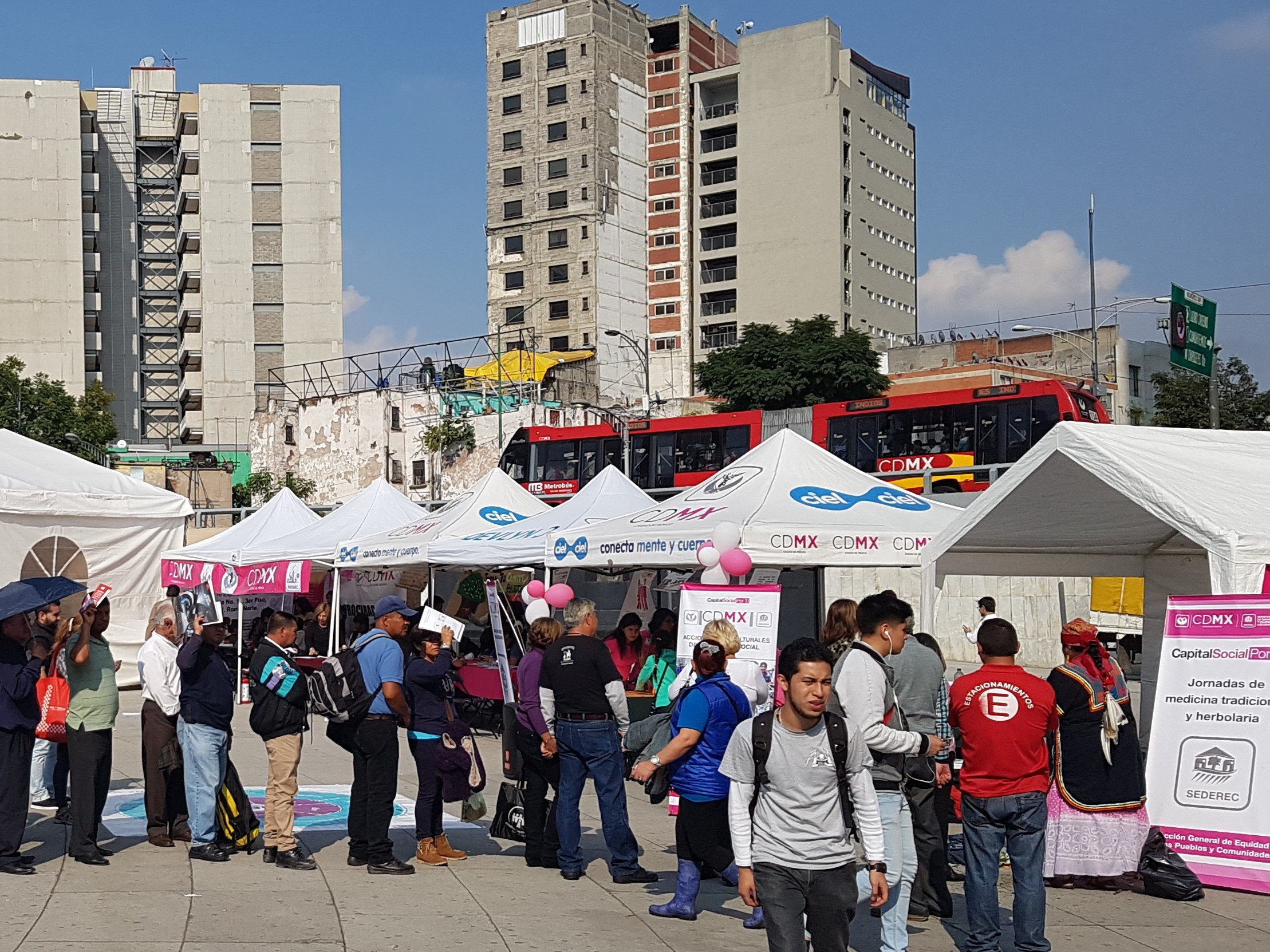
On my most recent trip, a decent section of the pink line was under maintenance and was shut down. There were buses to replace the metro lines stopping at each station along the road. Being aware of closures ahead of time can help plan your day.
There are various bus routes throughout the city, with large bus stations. Insurgentes metro station, which I try to stay near, is also connected to a raised platform bus terminal as well. Autobuses del Norte, where you take the bus to Teotihuacan, is located next to a metro station. Same with Observatorio.
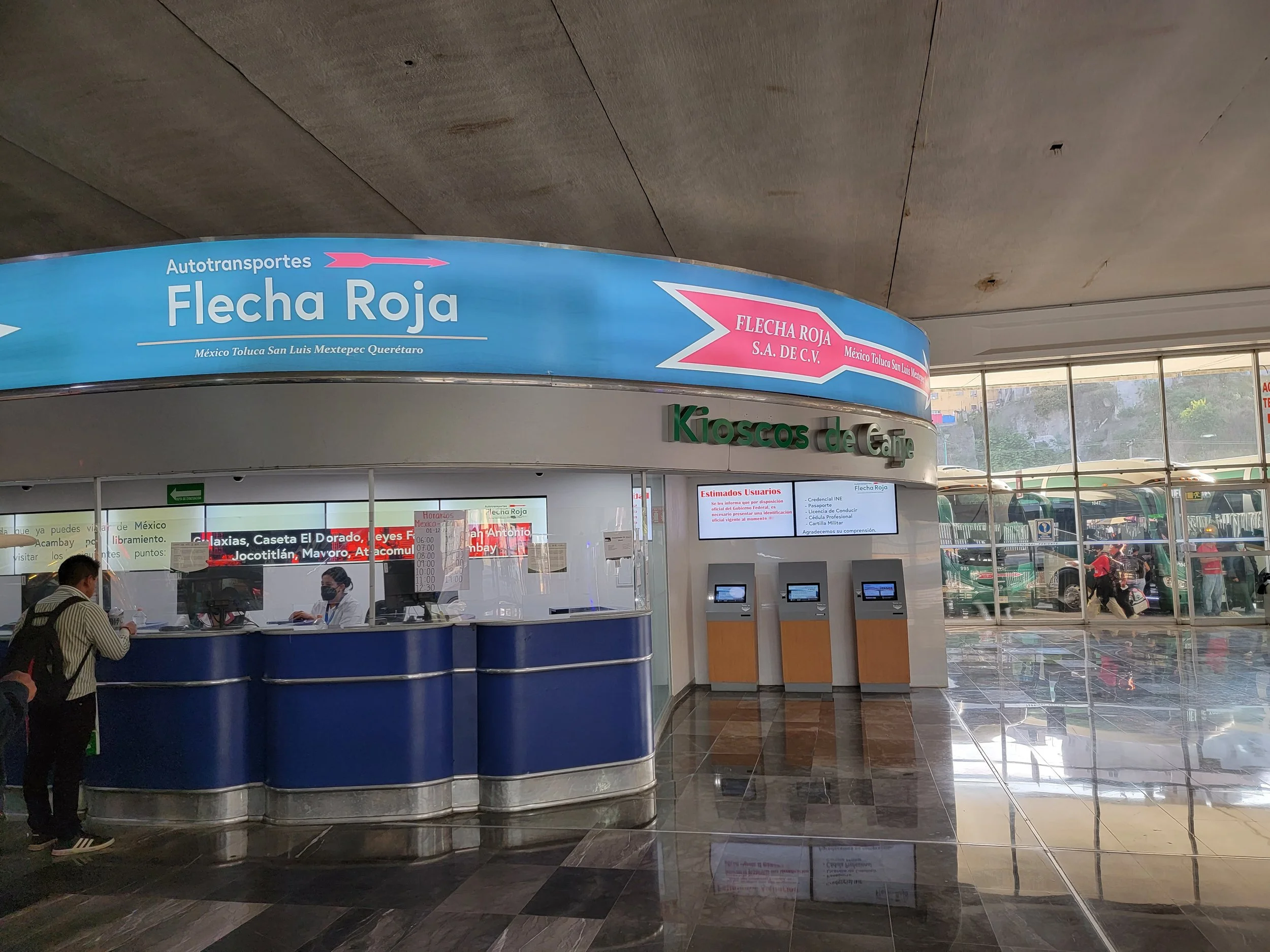
The “coach” bus lines operate out of bus terminuses heading out of the city. I have used these to go to Teotihuacan and to music festivals in Toluca. The coaches are clean and modern, and sometimes stop at a number of planned stops. At these stops, hawkers sometimes jump on to sell snacks.
Taxis
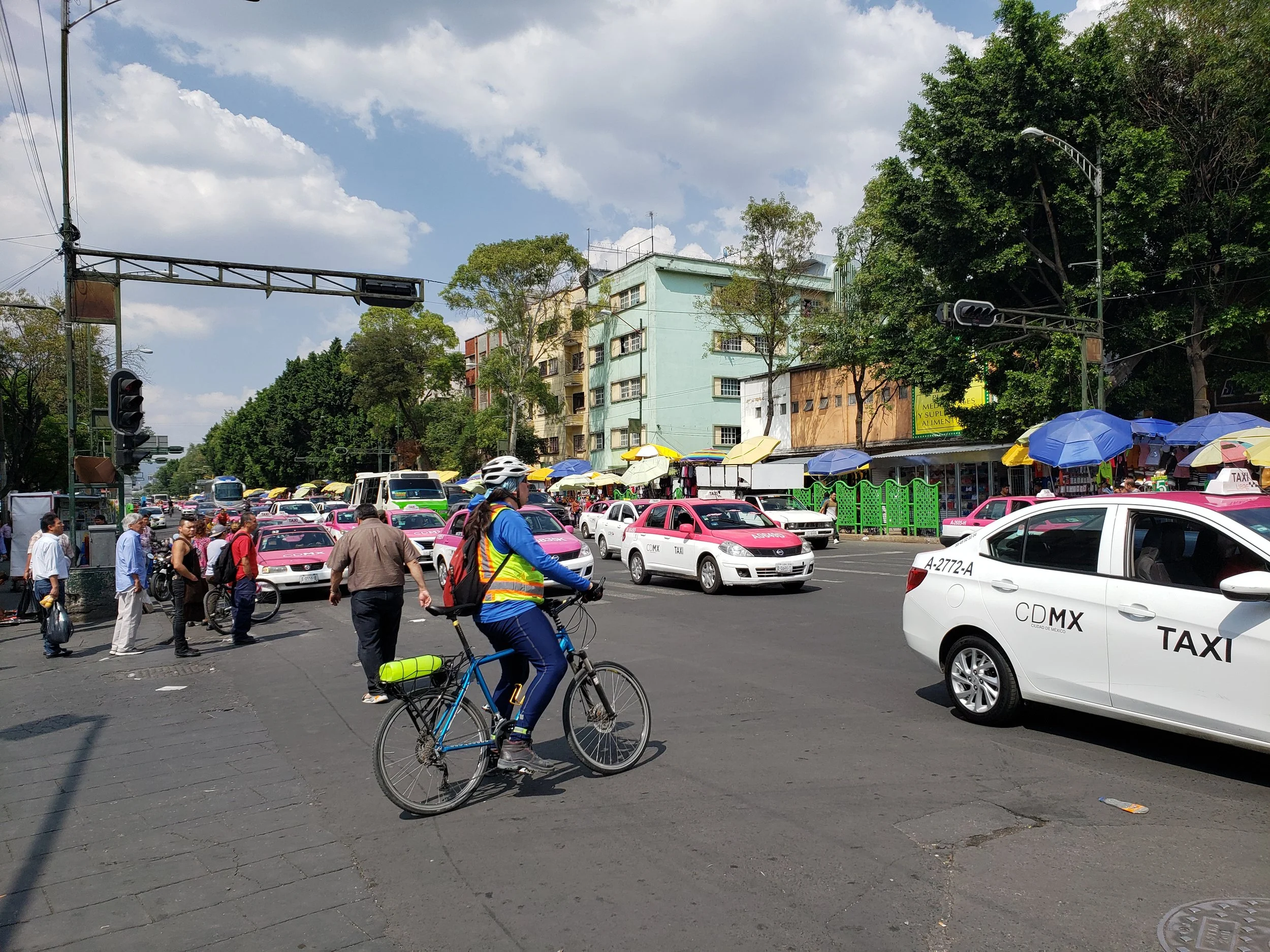
Taxis are everywhere. “Avoid unlicensed taxis” is a rule that I was informed of. They aren’t expensive, about CAD$15 from the airport to my hotel. Upon arrival at the airport, once through customs/immigration after bag collection, there are desks for different taxi companies. The rate from the airport to your accommodation is fixed. You can pay at the desk with cash or card and you take the provided ticket to the taxi queue.
Taxi scams where meters aren’t used are not common, but do happen, as in most big cities.
Rideshare Apps
Uber is probably the best idea if you are avoiding the metro or in a rush. It’s absurdly cheap, a 15 minute trip to Fonda Margarita from my hotel cost me CAD$4.60. I use Uber when I am with friends or when the metro journey would be significantly complex and lengthy.
When navigating to locations not available via the metro (like Xochimilco), I often take the metro to a close station then call an Uber.
Rental Bikes and Scooters
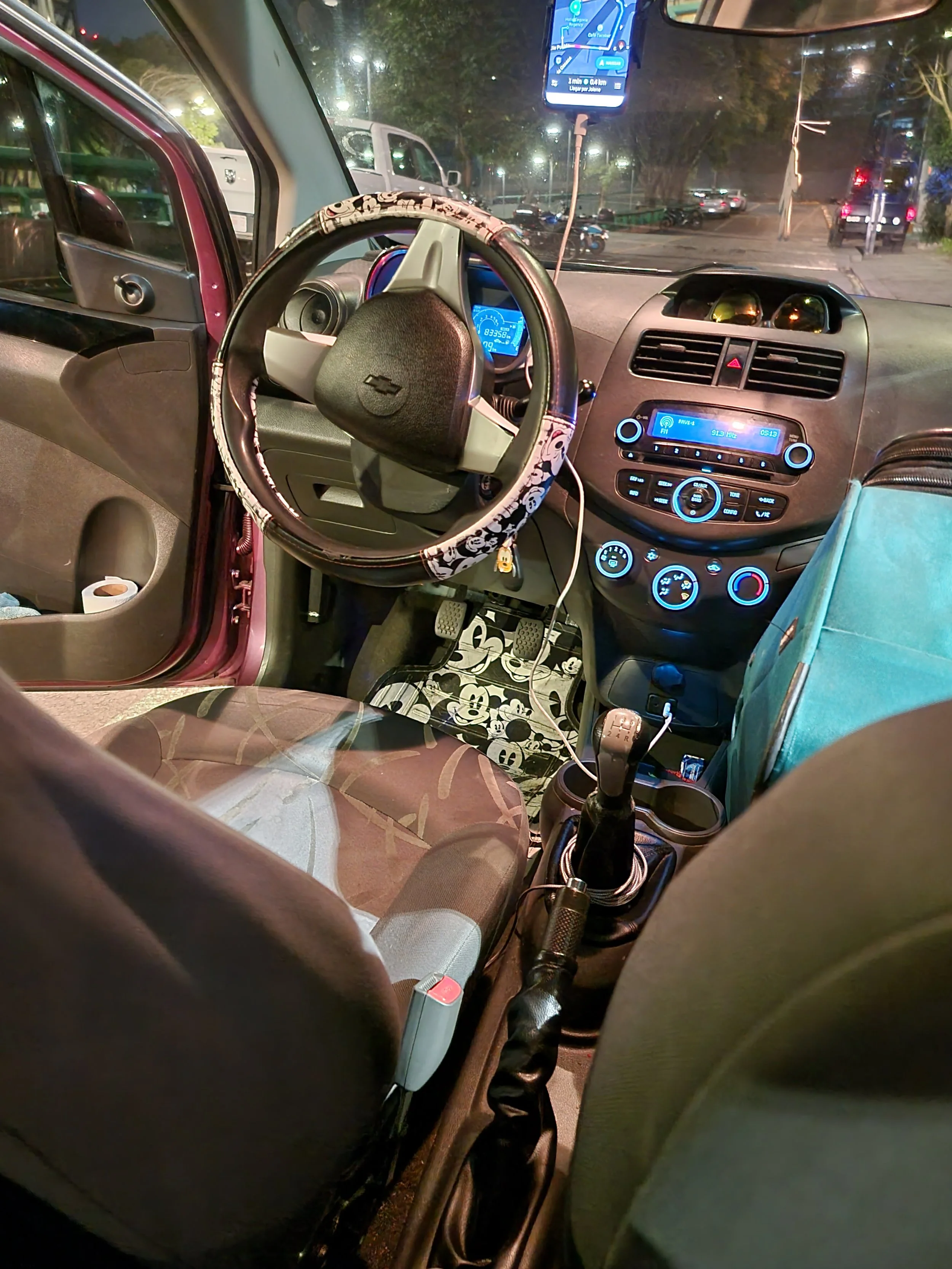
Rental bicycles and scooters are everywhere, much like most major cities worldwide. Some streets are even closed off on Sundays to cars, so cycling is very popular. Some parts of the city are more bicycle friendly than others, especially around the park.
Walking
I regularly walk 20km+ a day in CDMX when I visit. I have found so many hidden gems by simply walking. It might seem counterintuitive, but after some souvenir shopping at the Mercado de Artesanias La Ciudadela, it is a short walk to get tacos AL Pastor at El Huequito Tacos, then walk to the Zocalo. Taking the metro, that would be 3 stops with a change.