Lucha Libre at Arena Mexico
You don’t have to be a fan of professional wrestling (I’m not) to enjoy this. It’s not realistic by any means, but the acrobatics are impressive. It’s a fantastic evening for anyone so long as you don’t take it too seriously. It is a spectacle from start to finish.
Lucha Libre is a Mexican cultural experience like few others. The main shows in Arena Mexico are televised and can be watched on youtube after a blackout delay, whereas the smaller shows (mostly Sundays) aren’t usually broadcasted.
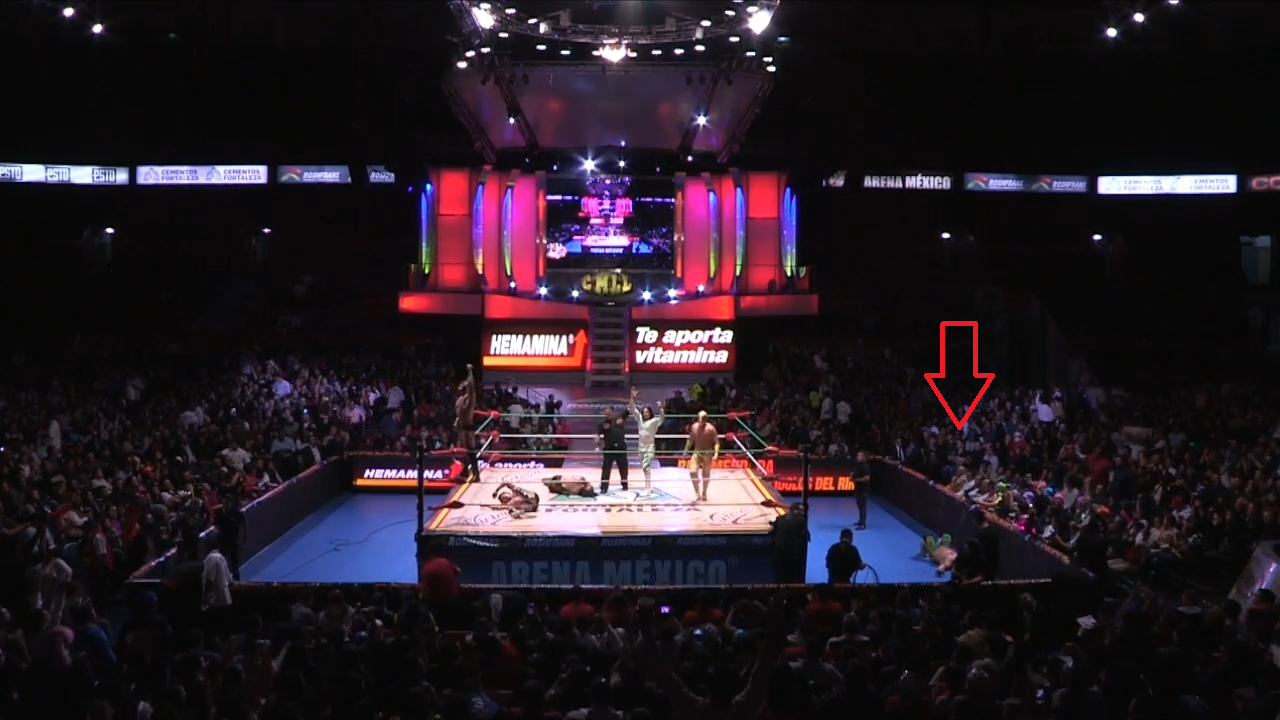
The pricing for the shows caters to all budgets, with a huge range in price from the front row to the nosebleeds. The most expensive tend to be around 600MXN, but front row seats are worth it. Tickets are released for sale in bulk releases, so it is important to keep an eye on your preferred date.
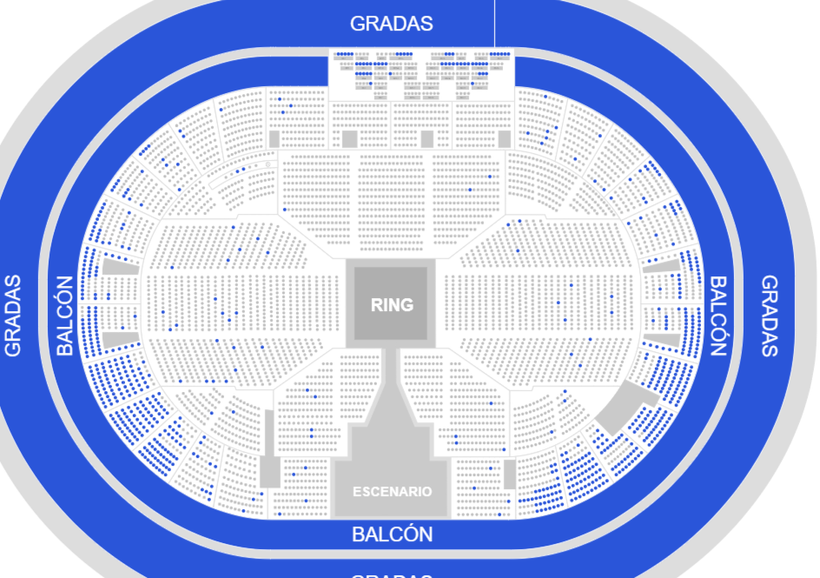
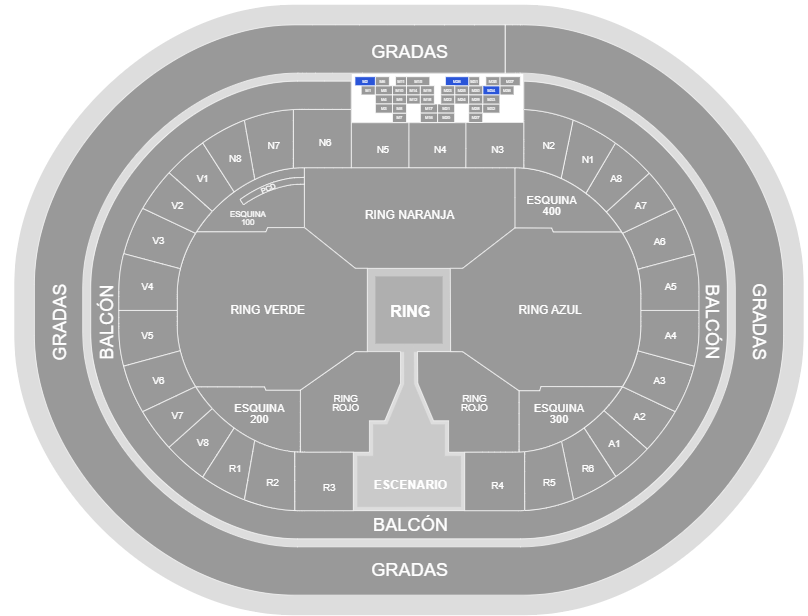
The majority of big events are held in Arena Mexico, while some smaller shows are held at Arena Coliseo, and tickets can be purchased at the box office itself. I have heard of people paying for scalped front row tickets that turn out to be further back, but mostly I have mine purchased before I arrive in Mexico.
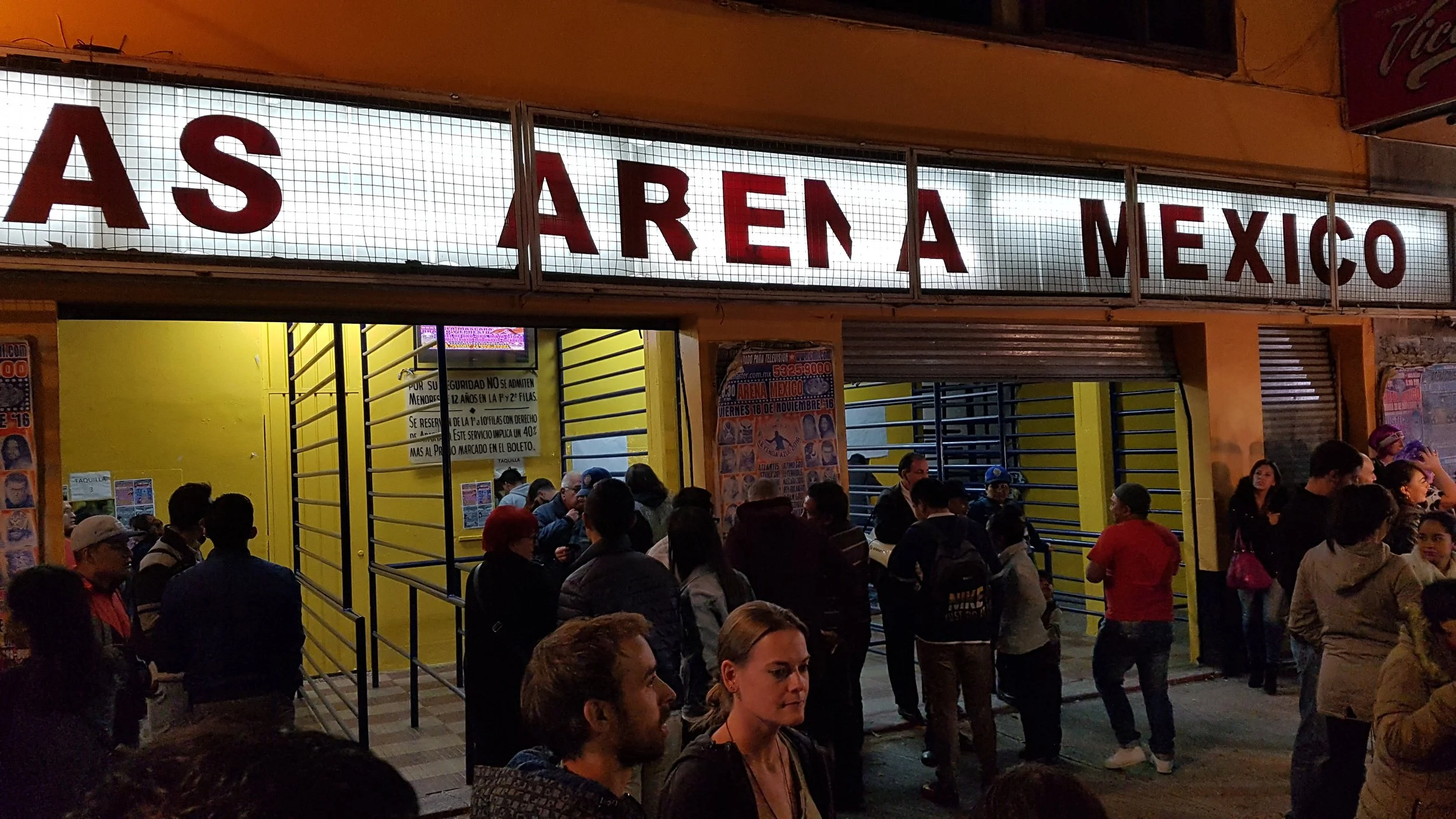
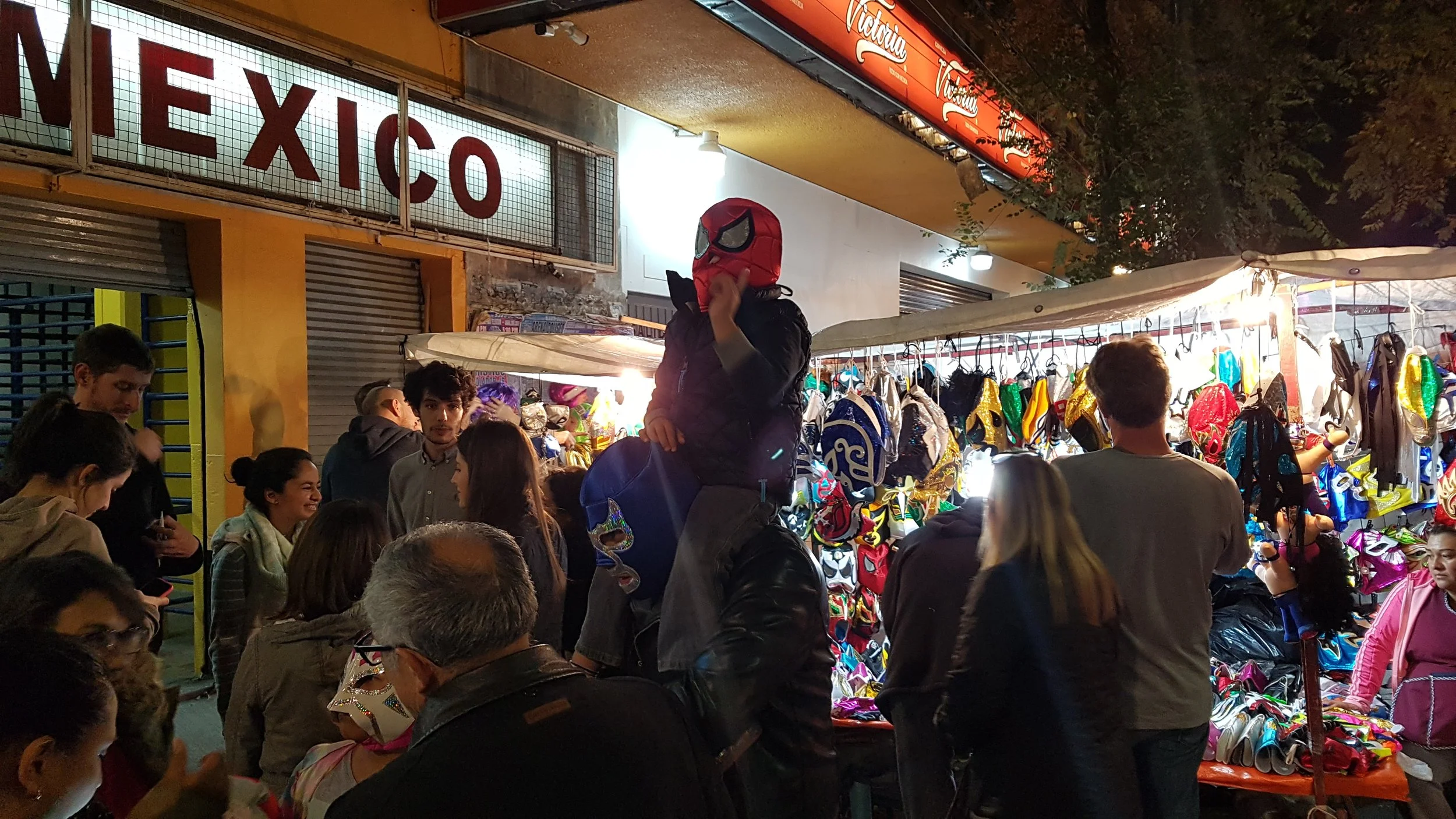
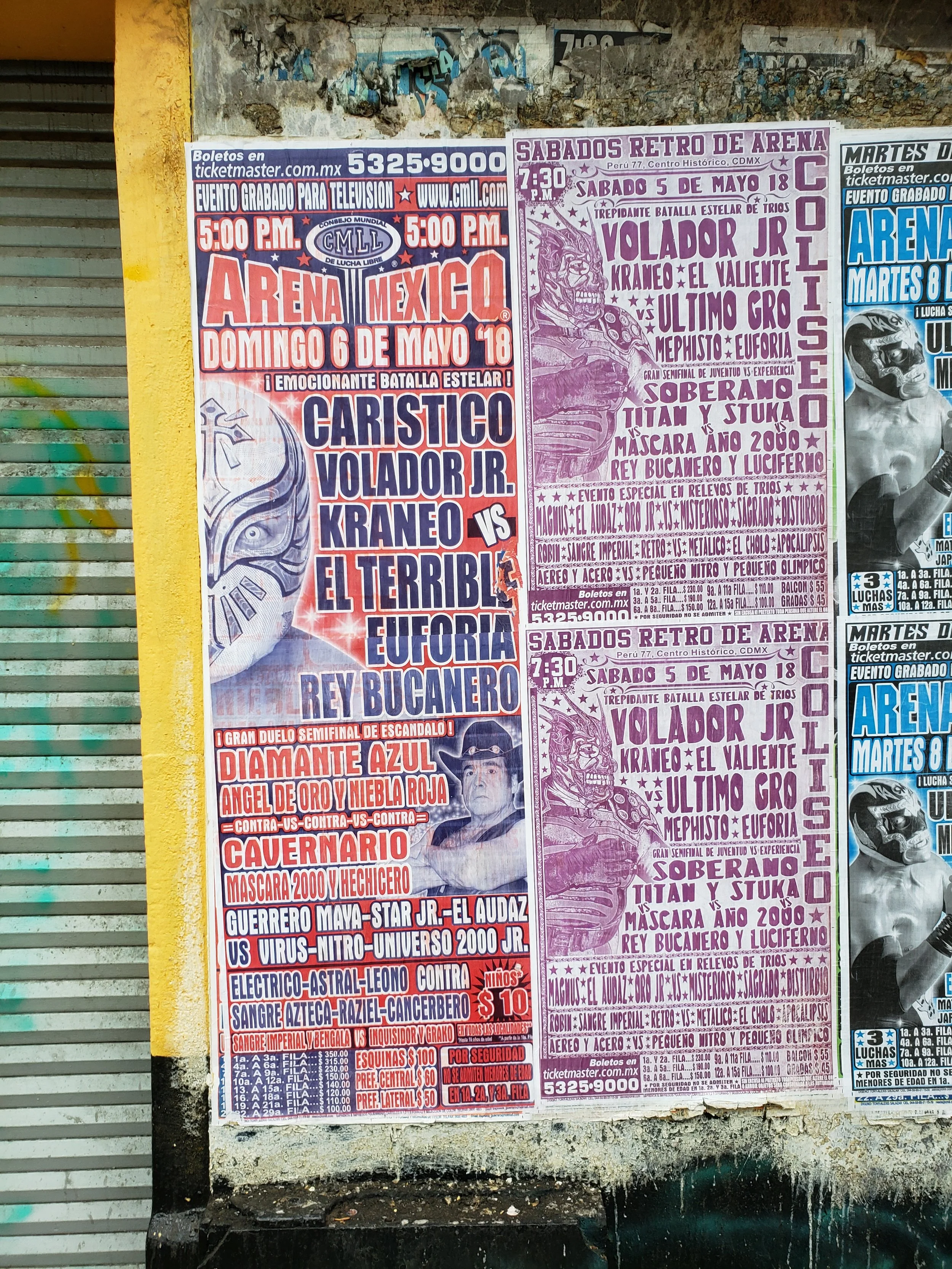
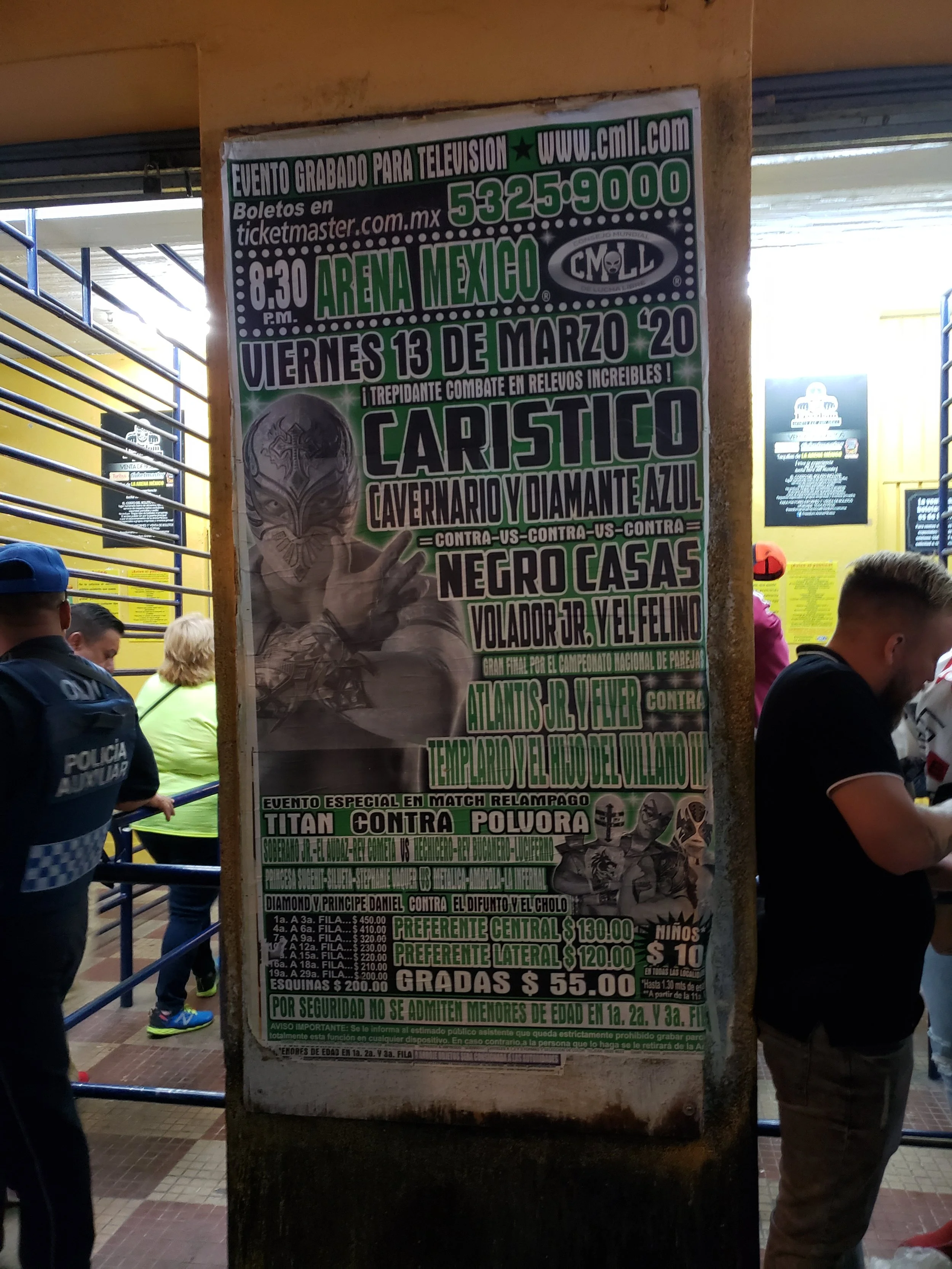
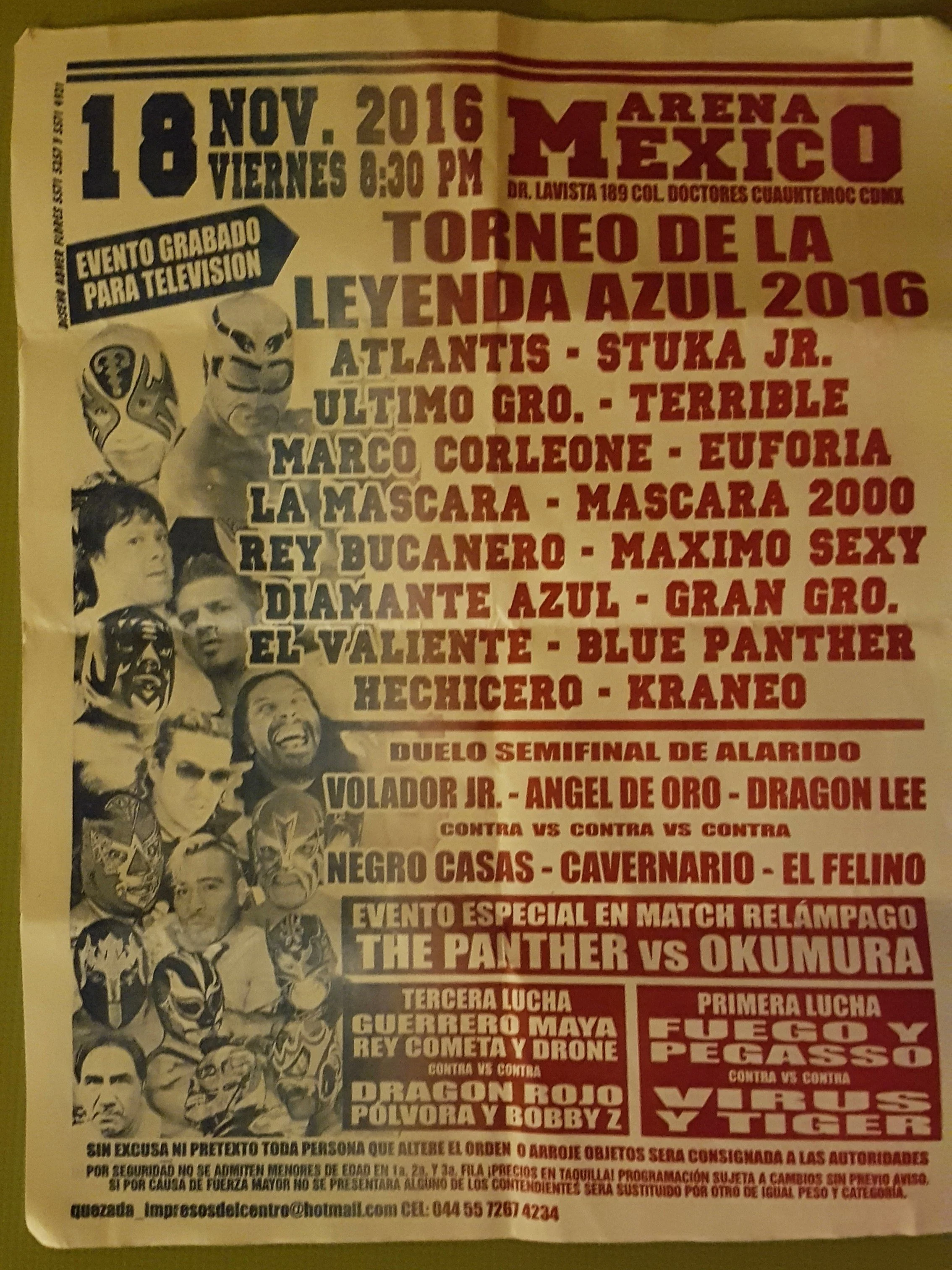
There will be posters outside the event highlighting the bill. Usually flyers are also available at the box office and inside the venue to follow the bouts. There will be street food and various items for sale outside the venue. Luchador masks and toys, mostly, which I found to be less worthwhile than at the Mercado De Artesanias La Ciudadela.
Once inside, there are refreshment stands and toilets. Beer and non-alcoholic drinks are available, as well as the most obscure assortment of food items from pizzas to popcorn to sandwiches to chicharrónes. Once seated, wait staff walk around the arena selling food and drinks, as well as toys, and will bring you beer. Ushers will help you to your seat if the numbering is too confusing.
The event will often start with an introduction of the luchadores and bouts. Then each individual bout will start with luchadores entering the arena to their walkout songs. These tend to be Hard Rock and Heavy Metal, adorned with lights, smoke machines and pyrotechnics. Dancers adorn the ramp in wild outfits, dancing to the music. The seats nearest the walkout ramp are often the most coveted as you can high five and heckle the luchadores.
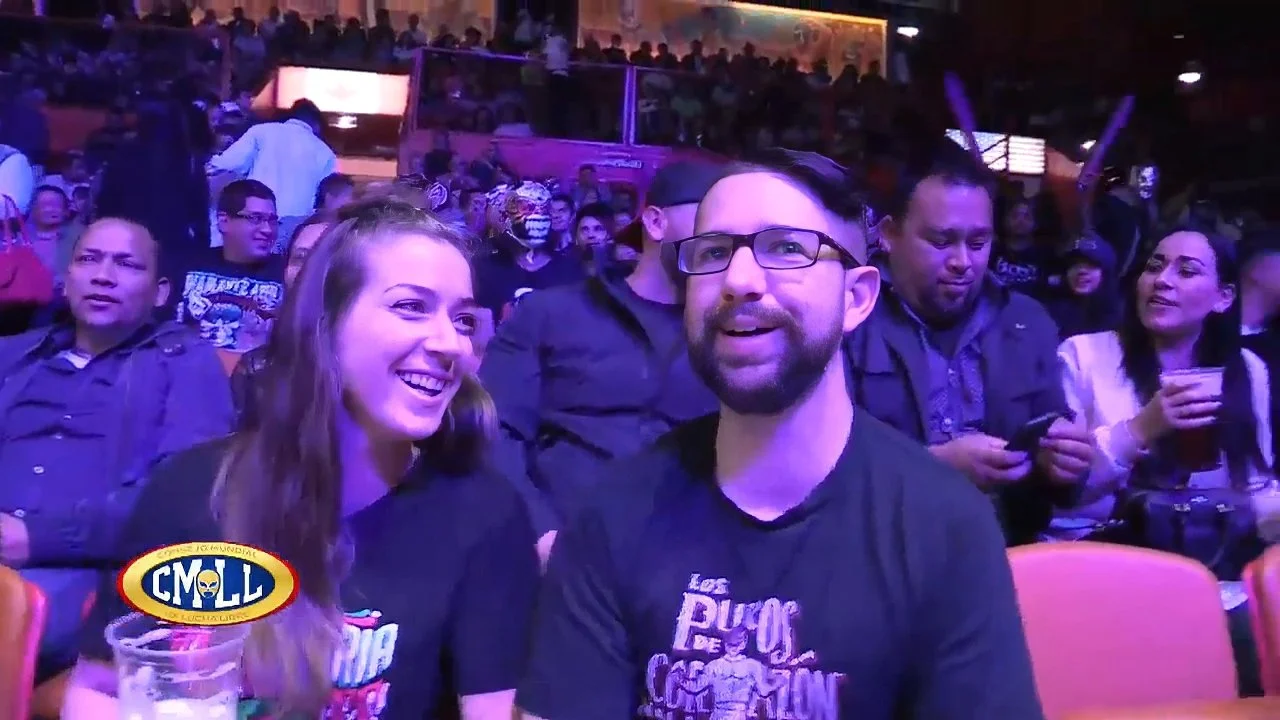
Ringside seats are lucky enough to have wrestlers flung onto them and into the barriers in front of them on occasion. Be prepared for some close encounters. The security staff kneel once the bouts begin so as not to obscure vision, but sometimes you will have a cameraman in front of you. If you are excited enough, be prepared to be on the big screen!
The night begins with some preliminary bouts. Usually older established wrestlers, judging by the cheers of the crowd, and some newer luchadores. The bouts grow with intensity until the main event. Often there are tag team matches, all female bouts and royal rumble-esque shows. Keep an eye out for Kemonito, in his blue gorilla suit. There are even “doctors” who attend the injured and concussed luchadores.
The luchadores are national heroes in many ways and they are celebrated in Mexico City. There are websites dedicated to the soap opera and history of it all.
The first time I visited CDMX, I was lucky enough to be in town for the “Torneo de la Leyenda Azul 2016” (youtube). Without any background knowledge of just how spectacular this event would be, I simply bought a ticket to see Lucha Libre.
I have subsequently attended shows on Fridays and a Sunday. The Sunday show was a lot smaller and quieter, but it was the only one I could attend. Friday or Saturday shows are by far more worthwhile from an entertainment value.
The crowds at these shows is half the fun. Heckling and screaming, playing drums and blowing vuvuzelas and pining over the luchadores and dancers. As the beer flows, the crowds get more lively and the roar of the arena increases in volume.
This is a “must do” for CDMX in my opinion.